Understanding the Traffic Light System: Deciphering Your Property Survey Results
Receiving your property survey results can feel daunting, but understanding the 'traffic light' system makes it much clearer. This guide will help you interpret those crucial red, amber, and green ratings.
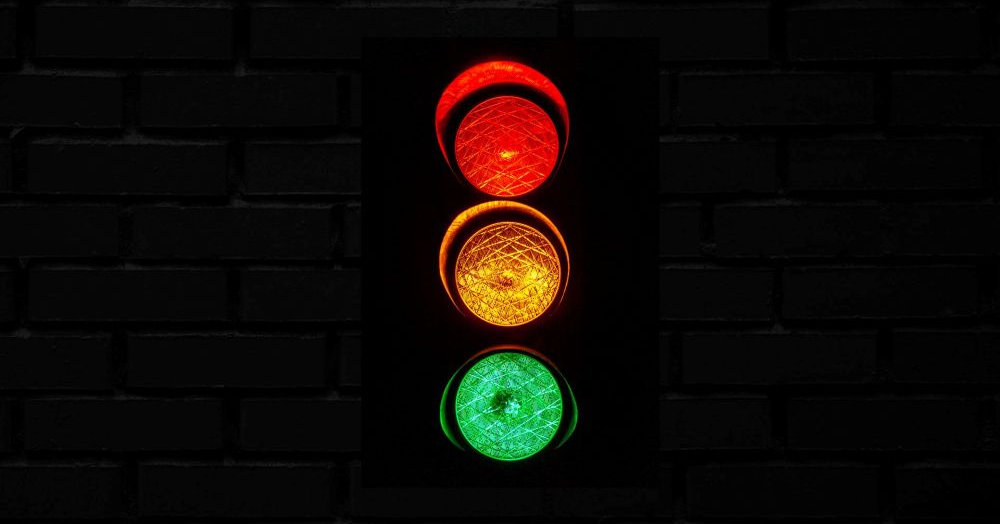
When you're buying a property in the UK, a professional survey is an essential step. It provides a detailed assessment of the property's condition, highlighting any potential issues. To make these complex reports more accessible, many surveyors use a 'traffic light' rating system. This visual guide quickly indicates the severity of identified defects, helping you, as a buyer, understand what needs attention.
Green: Condition Rating 1 (No Immediate Repair Required)
A 'green' rating, or Condition Rating 1, is the best news you can get. It signifies that the element or part of the property is in good condition and does not require any immediate repair. This doesn't necessarily mean it's perfect; there might be minor wear and tear consistent with its age, but nothing that warrants urgent action or significant concern. For example, a roof might be rated green if it's structurally sound with no visible leaks, even if a few tiles are slightly discoloured.
While green ratings are positive, it's still wise to read the accompanying text. The surveyor might offer advice on routine maintenance to keep these elements in top condition, preventing future issues.
Amber: Condition Rating 2 (Defects Requiring Future Attention)
An 'amber' rating, or Condition Rating 2, indicates defects that need attention but are not considered urgent or serious. These are issues that might require repair or replacement in the future, or they could be minor defects that, if left unaddressed, could worsen over time. Examples include:
- Minor dampness that isn't structural.
- Cracked or spalling render that isn't letting in water.
- Outdated but functional electrical wiring that doesn't meet current standards but is safe.
- Minor defects to gutters or downpipes.
When you see an amber rating, it's a prompt to investigate further. You might want to get quotes for the suggested repairs to understand the potential costs involved. This information can be valuable for budgeting or even for negotiating the property price with the vendor. An estate agent can often assist in facilitating these discussions.
Red: Condition Rating 3 (Serious Defects Requiring Urgent Repair)
A 'red' rating, or Condition Rating 3, is the most serious. It highlights defects that are either urgent, significant, or both. These issues could be structural, pose a safety risk, or lead to substantial damage if not addressed promptly. Examples of red-rated issues include:
- Significant structural movement or cracking.
- Extensive damp penetration or timber decay.
- Serious issues with the roof structure or covering.
- Faulty or unsafe electrical installations or heating systems.
- Asbestos-containing materials that are damaged or disturbed.
If your survey returns red ratings, it's crucial to take them seriously. You should immediately seek further advice from specialist contractors (e.g., structural engineers, damp specialists, electricians) to get detailed assessments and repair quotes. Depending on the severity and cost of these repairs, you might:
- Renegotiate the price: Ask the vendor to reduce the sale price to cover the cost of repairs.
- Request the vendor to fix the issues: The vendor might agree to carry out the repairs before completion.
- Withdraw from the purchase: If the issues are too extensive, costly, or complex, you might decide the property isn't right for you.
Your estate agent can be a vital ally during this stage, helping you communicate with the vendor and navigate potential negotiations.
Beyond the Colours: Reading the Full Report
While the traffic light system offers a quick overview, it's imperative to read the entire survey report thoroughly. The detailed descriptions accompanying each rating provide crucial context, explanations, and recommendations. Don't just skim the colours; delve into the specifics to fully understand the implications of each finding.
Understanding the traffic light system empowers you to make informed decisions about your potential new home. It helps you identify risks, budget for future works, and negotiate effectively, ensuring you proceed with confidence.
If you would like any home-buying advice, please contact us above or call 01474 643101